Hello Baby Stephanie: A Versatile Font for Creative and Professional Use
The world of typography is vast, with countless fonts designed to meet the needs of various industries and creative expressions. Among these, Hello Baby Stephanie stands out as a unique and adaptable typeface that combines elegance with functionality. This font trio—comprising sans serif, serif, and handwritten styles—offers users a range of options to suit different design contexts. Whether you're crafting digital content, print materials, or branding elements, Hello Baby Stephanie provides a seamless blend of aesthetics and usability.
Hello Baby Stephanie is not just another font; it's a comprehensive solution for designers, marketers, educators, and hobbyists alike. Its PUA encoding allows for easy access to glyphs and swashes, making it a powerful tool for those who require intricate typographic details. As we explore its characteristics, advantages, and use cases, it becomes evident why this font has gained attention across multiple sectors.
Understanding the Structure of Hello Baby Stephanie
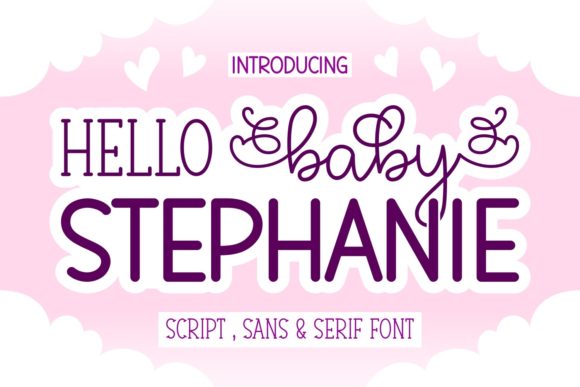
The foundation of Hello Baby Stephanie lies in its three distinct styles: sans serif, serif, and handwritten. Each variant serves a specific purpose and offers unique visual appeal.
- Sans Serif: The sans serif version of Hello Baby Stephanie is clean, modern, and highly legible. It’s ideal for digital interfaces, headlines, and web content where clarity is essential. Its minimalist design ensures readability even at smaller sizes, making it a go-to choice for websites, mobile apps, and social media platforms.
- Serif: The serif style adds a touch of sophistication and tradition. It is well-suited for printed materials such as books, reports, and formal documents. The subtle serifs enhance the readability of long texts and give a sense of professionalism.
- Handwritten: The handwritten variant brings warmth and personality to any project. It is particularly useful for invitations, greeting cards, and personal branding. This style mimics natural handwriting, creating a friendly and approachable feel.
Together, these three styles form a cohesive font family that can be used interchangeably or combined within a single design. This versatility makes Hello Baby Stephanie a valuable asset for anyone looking to create visually appealing and functionally sound content.
Advantages of Using Hello Baby Stephanie
One of the most significant advantages of Hello Baby Stephanie is its adaptability. Unlike many fonts that are limited to a single style, this font trio offers a wide range of applications. Designers can seamlessly transition between the sans serif, serif, and handwritten versions to match the tone and purpose of their projects.
Another key benefit is its PUA (Private Use Area) encoding. This feature allows users to access all glyphs and swashes without the need for additional software or plugins. For creators who rely on special characters, ligatures, and stylistic alternates, this level of accessibility is invaluable. It streamlines the design process and reduces the time spent searching for the right character or symbol.
Furthermore, Hello Baby Stephanie is optimized for both print and digital formats. Its high level of detail ensures that it looks sharp on screens and crisp on paper. This dual compatibility makes it an excellent choice for cross-platform projects, from website development to magazine layouts.
Real-World Applications of Hello Baby Stephanie
The practicality of Hello Baby Stephanie extends beyond its aesthetic appeal. Let's examine some real-world scenarios where this font shines:
- Web Design: The sans serif variant is perfect for headings, navigation menus, and call-to-action buttons. Its clean lines and modern look contribute to a professional and user-friendly interface.
- Print Media: The serif style is often used in newspapers, academic journals, and corporate reports. Its readability and traditional appearance make it suitable for long-form content.
- Personal Projects: The handwritten version is ideal for creating personalized invitations, thank-you notes, and birthday cards. It adds a personal touch that can't be replicated by other fonts.
- Branding: Businesses can use all three styles to build a consistent brand identity. For example, a company might use the sans serif version for logos, the serif version for marketing brochures, and the handwritten version for customer communications.
These examples illustrate how Hello Baby Stephanie can be applied in diverse settings. Its ability to cater to both functional and expressive needs makes it a versatile choice for professionals and enthusiasts alike.
Considerations When Choosing Hello Baby Stephanie
While Hello Baby Stephanie offers numerous benefits, there are certain considerations to keep in mind before using it in your projects:
- Licensing: Ensure that you have the appropriate license for commercial use if you're planning to incorporate this font into a business project. Some fonts may require purchase or subscription for extended usage rights.
- Compatibility: Although Hello Baby Stephanie is designed for both print and digital use, it's important to test it across different devices and platforms to ensure consistent rendering.
- Design Context: While the font is highly versatile, it's crucial to consider the context in which it will be used. Overusing the handwritten style in a formal document, for instance, may not be appropriate.
By taking these factors into account, you can make informed decisions about when and how to use Hello Baby Stephanie effectively.
Exploring the Creativity Behind Hello Baby Stephanie
Beyond its technical features, Hello Baby Stephanie reflects the creativity and craftsmanship of its designer. The attention to detail in each stroke and curve demonstrates a deep understanding of typography. This font is not merely a collection of letters but a carefully curated expression of style and utility.
For educators and researchers, Hello Baby Stephanie serves as a valuable resource for studying the evolution of typefaces and their impact on communication. Its combination of traditional and contemporary elements provides a rich subject for analysis and discussion.
Moreover, the font's PUA encoding encourages experimentation with glyphs and swashes, allowing creators to push the boundaries of typographic design. This feature empowers users to explore new ways of expressing ideas through text, whether in graphic design, illustration, or digital art.
In conclusion, Hello Baby Stephanie is more than just a font—it's a tool that bridges the gap between form and function. Its versatility, ease of use, and artistic flair make it a compelling choice for a wide range of audiences. Whether you're a professional designer, a student, or a hobbyist, this font offers something for everyone.